
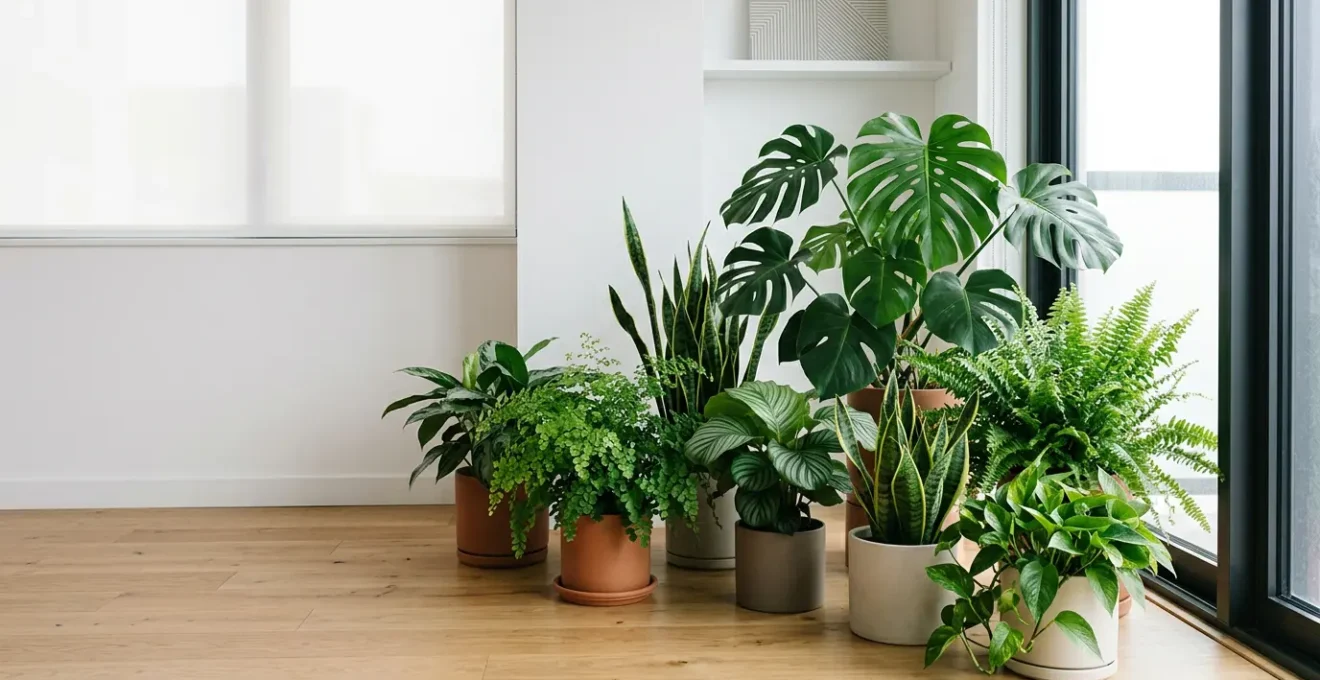
The secret to purifying indoor air isn’t buying more ‘air-purifying’ plants; it’s engineering a bioactive ecosystem where the soil does the heavy lifting.
- The vast majority of pollutant filtration occurs in the soil’s microbial community (the rhizosphere), not just the leaves.
- Chronic plant death is often due to ‘dead’ soil and overwatering, which creates an anaerobic environment that suffocates roots.
Recommendation: Shift your focus from being a plant owner to an ecosystem cultivator. Prioritize building living, aerated soil and the rest will follow.
As an urban dweller, the promise of transforming a stuffy, lifeless flat into a green sanctuary is deeply appealing. You’ve likely heard the common advice: buy a Snake Plant, get a Peace Lily, and your air quality will magically improve. This has led many to collect houseplants like passive decorations, only to watch them struggle with root rot, pests, and a slow decline, leaving the air feeling just as stagnant as before.
This approach, focused solely on the plant’s leaves, misses the most crucial element of nature’s filtration system. The widespread belief, sparked by early NASA studies, often overlooks a critical finding: the true power lies not just in the plant itself, but in the entire living system. The soil, its microbial inhabitants, and the ambient humidity work in a powerful synergy.
But what if the key wasn’t collecting more plants, but cultivating a smarter, more integrated indoor ecosystem? This guide will reframe your perspective. We will move beyond the simple act of « owning » plants and into the practice of « cultivating » a miniature, self-regulating biome. You will learn to see your plant pots not as containers of dirt, but as vessels for living, breathing soil that actively cleanses your environment.
This article will guide you through the essential components of creating this restorative system. We will explore how to build a foundation of bioactive soil, manage humidity to replicate natural environments, and even close the loop by transforming your kitchen waste into potent, life-giving compost for your indoor jungle.
Summary: The Complete Guide to Creating a Living Indoor Ecosystem
- Which Removes VOC Toxins From Bedrooms Faster Between Snake Plants and Peace Lilies?
- Why Dead Soil in Potted Plants Causes Depressing Fungus Gnat Infestations?
- How to Replicate a Rainforest Humidity Microclimate for Calatheas in a Dry Flat
- The Overwatering Mistake That Causes Root Rot in 90% of Indoor Ecosystems
- When to Repot Rootbound Monsteras to Guarantee Continuous Spring Growth
- The Hidden Water Waste Trap in Luxury Resorts Claiming Eco-Friendly Status
- Which Handles Daily Coffee Grounds Better Between Vermicomposting and Countertop Dehydrators?
- How to Build a Compostable Zero-Waste Kitchen System in a Small Urban Flat
Which Removes VOC Toxins From Bedrooms Faster Between Snake Plants and Peace Lilies?
The debate between popular houseplants like the Snake Plant (Dracaena trifasciata) and the Peace Lily (Spathiphyllum) is a common starting point for anyone looking to improve indoor air. While both are excellent, focusing on which leaf is « faster » misses the bigger picture. For instance, controlled studies have shown that a Peace Lily can remove about 23% of trichloroethylene (TCE) from a sealed chamber in 24 hours. This is significant, but it’s not the whole story.
The groundbreaking revelation from decades of research, including the foundational NASA Clean Air Study, is that the soil is the engine of purification. As research has confirmed, the detoxification process is a team effort. The plant’s roots and the complex community of microbes in the soil—the rhizosphere—are where most of the action happens. These microorganisms actively break down harmful Volatile Organic Compounds (VOCs) like benzene and formaldehyde, using them as a food source.
A pivotal study highlighted this by demonstrating that the microorganisms in a potted plant’s soil were primarily responsible for removing benzene from the air. As stated in the analysis of the NASA Clean Air Study research, « the micro-organisms in the soil of a potted plant remove benzene from the air. » The plant’s leaves contribute, but the soil’s bioactive ecosystem does the heavy lifting.
Therefore, the question isn’t « Snake Plant or Peace Lily? » but rather, « How healthy and alive is my soil? » A robust Snake Plant in a sterile, dead medium will be far less effective than a modest Peace Lily in a thriving, bioactive soil ecosystem. The plant acts as a pump, pulling air down to its roots, feeding the very microbes that purify your home.
This shifts the focus from simply choosing a plant species to actively cultivating the living environment it grows in.
Why Dead Soil in Potted Plants Causes Depressing Fungus Gnat Infestations?
That persistent, depressing cloud of fungus gnats hovering around your houseplants is not a random nuisance; it’s a clear symptom of a failing ecosystem. These pests thrive in one specific condition: consistently damp, decaying, and lifeless topsoil. When your potting mix is « dead »—lacking a healthy population of beneficial microbes—it becomes a stagnant breeding ground for the fungal growth that gnat larvae feed on. This is a direct consequence of treating soil like an inert substrate rather than a living entity.
In a healthy, bioactive soil system, a diverse community of beneficial bacteria and fungi outcompetes the « bad » fungi that fungus gnats need to survive. These beneficial microbes break down organic matter efficiently, maintain soil structure, and create an environment that is inhospitable to pests. Dead, compacted, and overly wet soil, on the other hand, creates an anaerobic environment perfect for rot and the pests that accompany it. It’s a sign that the natural balance is broken.
The visual difference is stark. Living soil is rich, crumbly, and smells earthy, teeming with microscopic life that supports your plant’s health. Dead soil is often dense, sour-smelling, and perpetually soggy. Reviving it is the only long-term solution to pest problems.
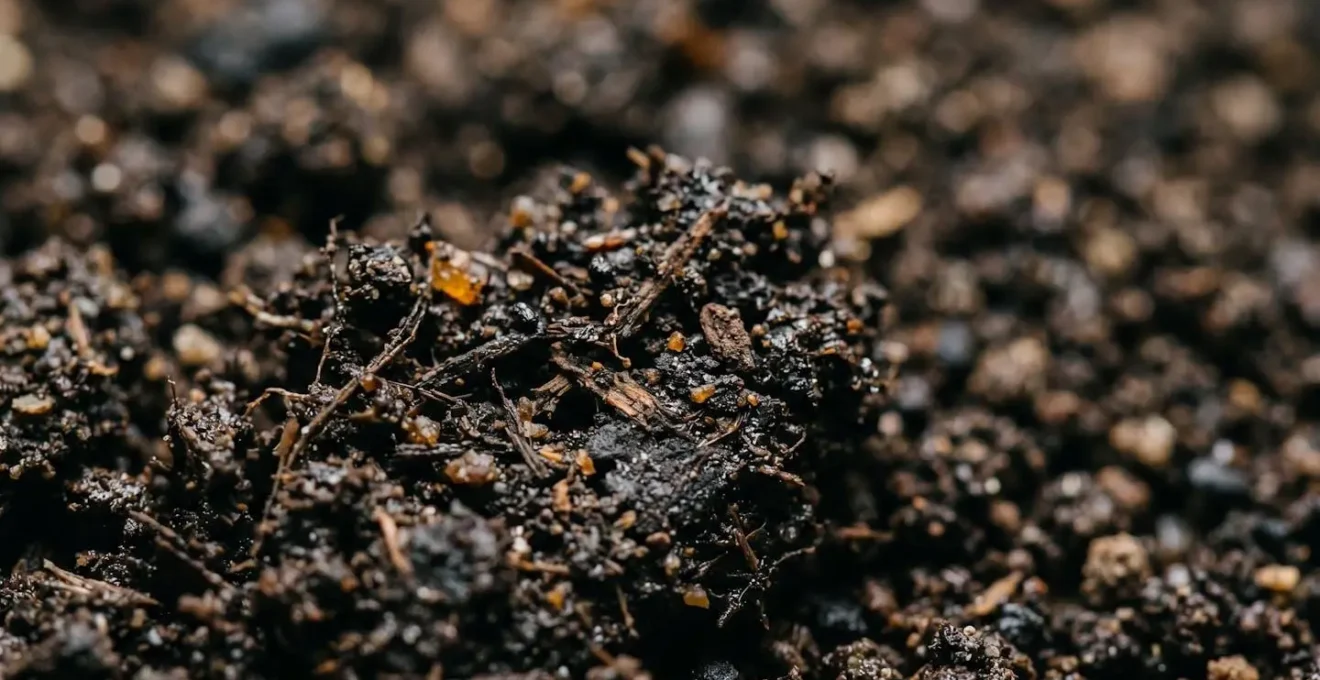
As you can see, healthy soil is a complex world of its own. Inoculating your pots with beneficial life is the most effective way to restore this balance and eliminate the conditions that pests exploit. By reintroducing beneficial microbes, you transform the soil from a problem source into a self-regulating, pest-resistant foundation for your indoor ecosystem.
Action Plan: How to Inoculate and Revive Your Potting Soil
- Assess Existing Soil: Check the top two inches of your pots. Is the soil compacted, constantly wet, or does it have a sour smell? This indicates a lack of aeration and microbial life.
- Gather Amendments: Inventory your options for introducing life. This includes high-quality compost, worm castings, or commercially available plant probiotic supplements.
- Perform a Top-Dressing: Gently mix one inch of compost or worm castings into the top layer of soil of existing plants. This provides both nutrients and a diverse range of beneficial microbes.
- Review Your Watering Habits: Switch to using filtered, distilled, or rainwater if possible. The chlorine in tap water can harm microbial populations, working against your efforts to build a living soil.
- Establish a Probiotic Schedule: If using a supplement, plan to apply it every 4-6 weeks during the growing season to maintain a thriving microbial community and suppress pest-friendly conditions.
This proactive approach makes your entire system more resilient and self-sufficient, reducing the need for chemical interventions.
How to Replicate a Rainforest Humidity Microclimate for Calatheas in a Dry Flat
Tropical plants like Calatheas, with their stunning foliage, are notorious for developing crispy, brown edges in the dry air of a centrally heated flat. This happens because they are not adapted to our indoor environments. In their native habitat, they thrive in a consistent, high-humidity atmosphere. Research shows that most of these tropical species evolved in environments with a 60% to 80% humidity range, a stark contrast to the 30-40% found in many homes, especially during winter.
Simply misting these plants is a temporary fix that barely makes a difference. The key is to stop treating each plant as an island and instead create a collective humidity microclimate. This biophilic design strategy leverages a natural process called transpiration, where plants release water vapor through their leaves. By grouping humidity-loving plants together, they collectively raise the moisture level in their immediate vicinity, creating a self-sustaining pocket of air that more closely mimics their natural habitat.
Building this microclimate is a strategic act of placement and management. It’s about creating a small community of plants that support each other’s needs. This method is far more effective and sustainable than constant misting and directly addresses the environmental stress that causes those dreaded brown tips. Here are the key strategies to implement:
- Cluster your tropical plants together to maximize the benefits of collective transpiration.
- Place the most humidity-sensitive plants, like Calatheas and Ferns, in the center of the group where the moisture level will be highest.
- Use pebble trays filled with water beneath your pots. As the water evaporates, it will directly increase the humidity around the plants without waterlogging the soil.
- Invest in a small hygrometer and place it within the plant cluster to accurately monitor your microclimate’s humidity levels, aiming for that 60%+ sweet spot.
- Keep these groupings away from drafts, heating vents, or air conditioners, which will rapidly negate your efforts by drying out the air.
This approach not only keeps your plants healthier but also makes your care routine more efficient and your living space more lush and restorative.
The Overwatering Mistake That Causes Root Rot in 90% of Indoor Ecosystems
Overwatering is the single most common cause of death for indoor plants, yet the term itself is misleading. The problem isn’t the volume of water, but the frequency and the resulting lack of oxygen. When soil remains saturated, water fills all the air pockets, suffocating the roots. This creates the perfect conditions for root rot, a disease that is often misunderstood.
As experts in indoor gardening explain, the issue is fundamentally about air, not just water. It’s a transition from a healthy to a deadly environment at the microscopic level.
Root rot is caused by anaerobic bacteria that thrive when water displaces all oxygen from the soil, effectively asphyxiating the roots. The key is maintaining an aerobic root zone.
– Indoor Gardening Specialists, Hey Rooted – Air Purifying Plants Care Guide
An aerobic root zone—one with plenty of oxygen—is essential for healthy root function and the survival of beneficial microbes. When soil becomes a swamp, anaerobic bacteria take over, causing roots to turn to a black, mushy mess. The solution, therefore, is not to water less, but to build a soil system that is physically difficult to overwater. This means engineering your potting mix for maximum aeration.
By incorporating materials that create permanent air pockets, you ensure that even when the soil is moist, roots have access to the oxygen they need to breathe. This proactive approach to soil engineering is the ultimate defense against the number one killer of houseplants. Consider these essential components for a rot-proof soil mix:
- Add Aeration Amendments: Incorporate a high percentage (30-50%) of perlite, pumice, or orchid bark into your standard potting mix. These materials create large, stable air gaps.
- Always Use Drainage: Every pot must have a drainage hole. No exceptions. Ensure you empty the saucer after watering so the pot never sits in a pool of stagnant water.
- Create a False Bottom: For decorative planters without holes, create an internal drainage layer with LECA or gravel at the bottom, then place a regular nursery pot inside, ensuring the plant’s roots are isolated from any collected water.
- Feel the Soil: Abandon rigid watering schedules. The best tool is your finger. Water only when the top one to two inches of soil feel dry to the touch.
By focusing on providing oxygen to the roots, you solve the problem of « overwatering » before it can even begin.
When to Repot Rootbound Monsteras to Guarantee Continuous Spring Growth
A Monstera deliciosa becoming « rootbound »—where its roots have filled the entire pot—is not a sign of failure, but a testament to its success within the ecosystem you’ve built. It means the plant is thriving and ready for the next stage of its growth. However, timing the repotting process is crucial to maintaining this momentum, especially for ensuring a burst of new growth in the spring. While general repotting guidelines recommend a frequency of once every 1-2 years, a thriving Monstera may need it sooner.
The best time to repot is in early spring, just as the plant is exiting its winter dormancy. At this moment, its hormonal and metabolic systems are primed for expansion. Repotting provides fresh nutrients and, most importantly, the physical space for the root system to expand. This expansion sends a hormonal signal to the rest of the plant to produce new leaves, often larger and more fenestrated than the last.
Waiting too long to repot a rootbound plant can lead to stunted growth, yellowing leaves, and a decline in health. The compacted root ball becomes unable to efficiently absorb water and nutrients, effectively starving the plant despite your best care efforts. The key signs to watch for are roots emerging from the drainage holes, slowed or stopped growth, and water running straight through the pot without being absorbed.
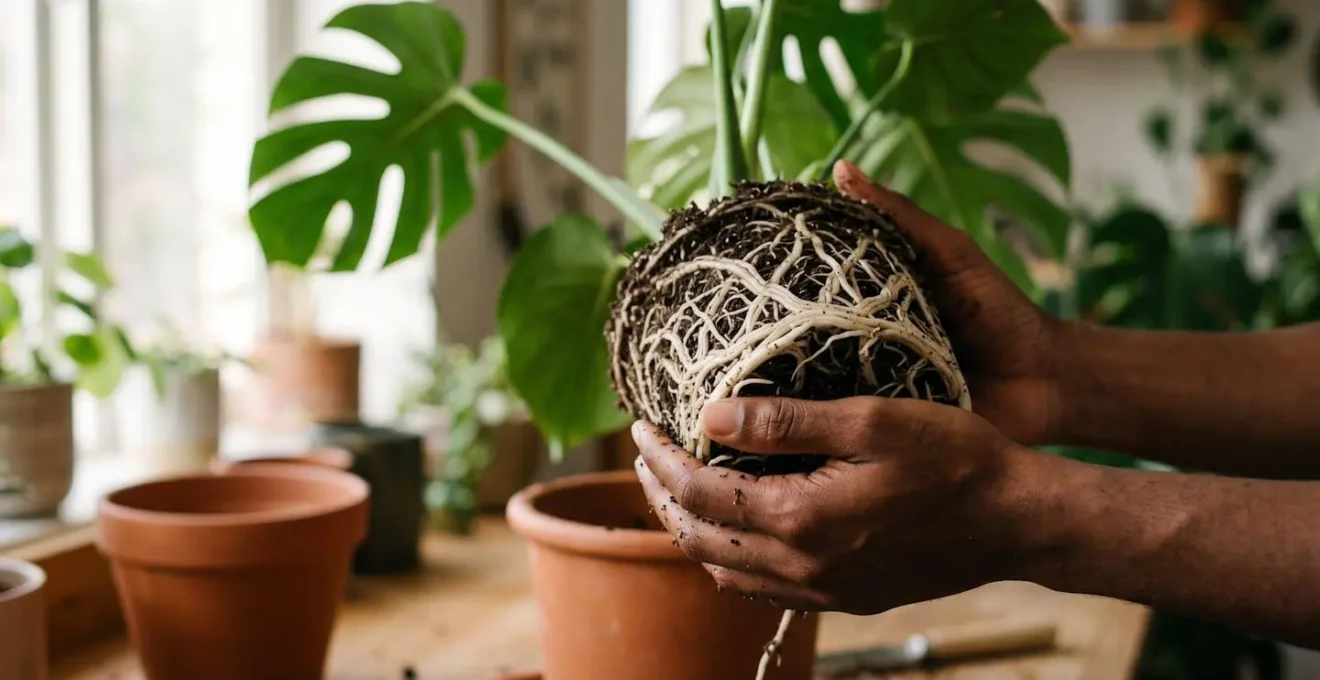
When you see a healthy, vigorous root system with plenty of firm, white roots, it’s a clear indication that your care regimen and soil ecosystem are working perfectly. Repotting is your opportunity to reward this growth. Choose a new pot that is only 1-2 inches larger in diameter. Going too large can lead to a vast volume of soil that stays wet for too long, reintroducing the risk of root rot we work so hard to avoid.
It is an act of proactive care that directly translates into the lush, continuous growth that makes these plants so rewarding.
The Hidden Water Waste Trap in Luxury Resorts Claiming Eco-Friendly Status
The allure of automated, « smart » indoor gardening solutions often mirrors the eco-friendly claims of luxury resorts: they promise convenience and efficiency but can hide significant waste. In the context of an urban flat, this trap appears as complex self-watering planters or hydroponic systems that promise to take the guesswork out of plant care. While appealing, these systems can create a disconnect between you and your plant’s actual needs, leading to waste and failure.
These high-tech planters often rely on reservoirs and wicking mechanisms. If the system is not perfectly calibrated to the specific plant, pot size, and ambient conditions, it can lead to chronic over-saturation of the soil, recreating the very anaerobic conditions that lead to root rot. Furthermore, a malfunctioning system can leak or lead to stagnant water reservoirs that become breeding grounds for bacteria and pests, wasting water and creating more problems than they solve.
The « luxury » of automation creates a facade of care while removing the most important diagnostic tool: your own observation. The simple, tactile act of feeling the soil’s moisture, observing the leaves’ turgor, and noticing new growth provides invaluable data that no sensor can fully replicate. A natural, hand-tended ecosystem, where you water based on the plant’s real-time needs, is often far more water-efficient and resilient.
The trap is believing that technology is a substitute for knowledge. A truly eco-friendly indoor garden is not one that is automated, but one that is balanced. By building healthy, aerated soil and learning to read your plant’s signals, you create a system that requires less intervention and wastes fewer resources. This low-tech, high-knowledge approach fosters a deeper connection and ultimately leads to more robust, healthier plants.
True luxury is not automation, but a thriving, self-regulating ecosystem that you have cultivated through skill and observation.
Which Handles Daily Coffee Grounds Better Between Vermicomposting and Countertop Dehydrators?
As you build a zero-waste system in your urban flat, dealing with daily organic waste like coffee grounds becomes a central challenge. Two popular solutions have emerged: vermicomposting (worm bins) and electric countertop dehydrators (food cyclers). While both divert waste from landfills, they serve fundamentally different purposes within your indoor ecosystem. The choice between them depends on your ultimate goal: simple waste reduction or active resource creation.
Countertop dehydrators are fast and convenient. They use heat and grinding to reduce food scraps, including coffee grounds, into a dry, sterile powder in a matter of hours. This powder is greatly reduced in volume and odor-free. However, this convenience comes at a cost. The high heat destroys the beneficial microbial life, and the resulting material is more of a sterile soil amendment than a living compost. It adds some minerals but does little to build the bioactive soil that is the cornerstone of our indoor ecosystem.
Vermicomposting, on the other hand, is a slower, biological process. A worm bin is a living ecosystem in a box. Earthworms and a host of microorganisms work together to break down coffee grounds and other kitchen scraps into nutrient-rich, microbially-active vermicast (worm castings). This end product is not just « less waste »; it is one of the most potent natural fertilizers and soil conditioners available. Adding it to your houseplants directly inoculates the soil with the very life needed to fight pests and disease.
For the specific goal of building a restorative indoor ecosystem, vermicomposting is unequivocally superior. It embraces the principles of a circular economy by transforming waste into a high-value living resource. While a dehydrator offers sterile volume reduction, a worm bin offers living soil creation. It closes the loop, turning your morning coffee into the very essence of life for your indoor jungle.
One is a waste disposal tool; the other is an ecosystem-building engine.
Key Takeaways
- The Ecosystem is the Filter: True air purification comes from the synergistic activity of plant roots and living soil microbes, not just the leaves.
- Soil is a Living System: A healthy, bioactive soil rich in beneficial microbes is your primary defense against pests like fungus gnats and diseases like root rot.
- Watering is About Oxygen: The goal of watering is not just to provide moisture, but to do so without displacing the oxygen essential for root health. Aeration is key.
How to Build a Compostable Zero-Waste Kitchen System in a Small Urban Flat
Creating a zero-waste kitchen in a small urban flat is not about deprivation; it’s about intelligent design. It’s about seeing « waste » not as an endpoint, but as a valuable resource waiting for its next life. By integrating the principles of composting we’ve discussed, you can create a truly circular ecosystem where the output of your kitchen becomes the input for your indoor garden, which in turn purifies your air and nourishes your well-being.
The foundation of this system is a compact composting solution suited for apartment life, like a vermicomposting bin. This becomes the bridge between your kitchen and your jungle. Every coffee ground, vegetable peel, and eggshell that goes into the bin is an investment in the health of your soil. The resulting vermicast is a super-food for your plants, providing a slow-release source of nutrients and a powerful infusion of beneficial microbial life.
This process transforms your plant care routine. Instead of relying on synthetic liquid fertilizers that can create chemical buildup, you are feeding your soil with a natural, living product you created yourself. This strengthens the entire ecosystem, making your plants more resilient, your soil more fertile, and your air purification system more effective. It is the ultimate expression of biophilic design: a closed loop where nature’s cycles are replicated within the four walls of your home.
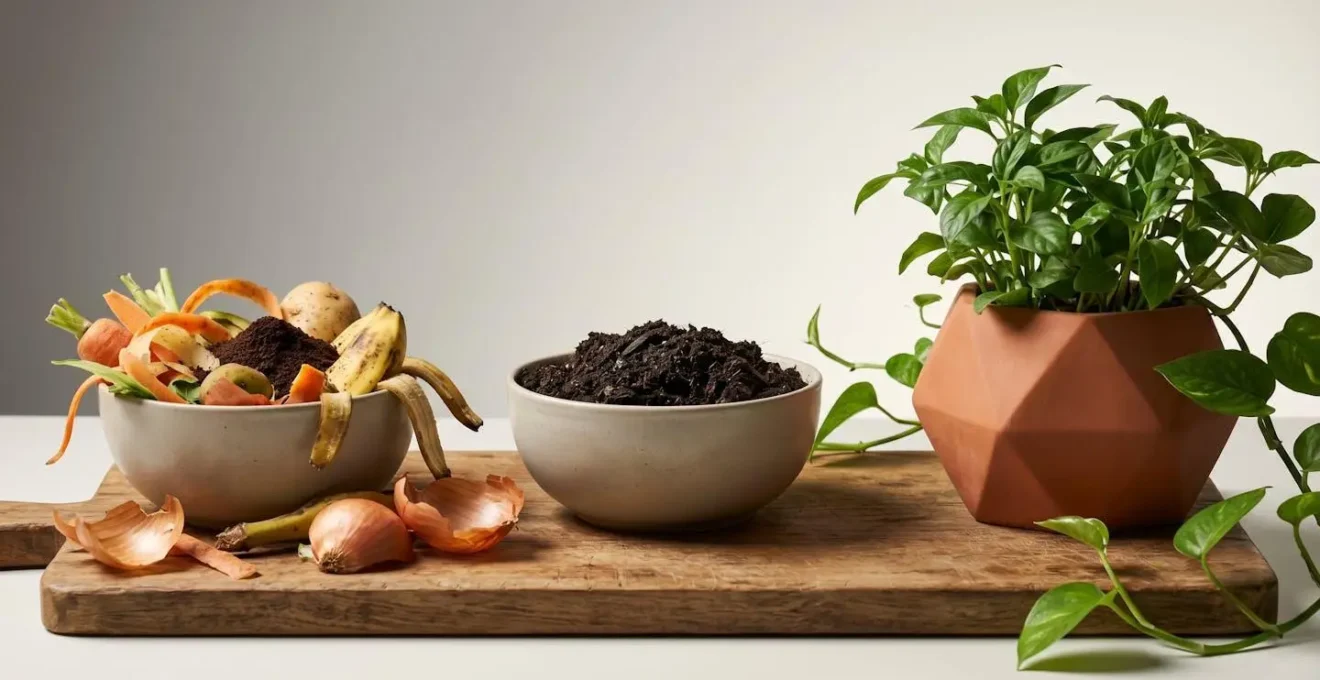
This symbolic flow from kitchen to jungle is the heart of a restorative indoor environment. It’s a powerful daily practice that connects you to the natural world, reduces your environmental footprint, and yields tangible benefits for your indoor garden. The system is simple: a container for collecting kitchen scraps, a composting bin to process them, and your collection of houseplants ready to receive the nutrient-rich reward.
Stop thinking of yourself as a plant owner and start acting as an ecosystem cultivator. By shifting your focus from the individual plant to the living system as a whole—from the soil microbes to the air you breathe—you can transform your flat from a static space into a thriving, restorative sanctuary.